
Στο διεθνές συνέδριο «Smart Cities in Smart Regions 2026», που πραγματοποιήθηκε στο Lahti (Λάχτι) της Φινλανδίας συμμετείχε το Περιφερειακό Ταμείο Ανάπτυξης Κεντρικής Μακεδονίας.
Το σημαντικό αυτό διεθνές συνέδριο, με διοργανωτή το Πανεπιστήμιο Εφαρμοσμένων Επιστημών «LAB University of Applied Sciences» της Φινλανδίας, είχε ως επίκεντρο τις ευρωπαϊκές πολιτικές για την κυκλική οικονομία, τη βιώσιμη ανάπτυξη και τη μετάβαση σε «έξυπνες» ευρωπαϊκές πόλεις και Περιφέρειες, μέσα από καινοτόμες πρωτοβουλίες και σύγχρονα εργαλεία διακυβέρνησης.
Η Περιφέρεια και το Περιφερειακό Ταμείο Ανάπτυξης Κεντρικής Μακεδονίας συνεχίζουν δυναμικά να αξιοποιούν τη συμμετοχή τους σε ευρωπαϊκά προγράμματα, δίκτυα και διεθνείς συνεργασίες, με στόχο τη μεταφορά γνώσης και καλών πρακτικών και την ενίσχυση της μετάβασης προς ένα βιώσιμο και κυκλικό μοντέλο περιφερειακής ανάπτυξης.
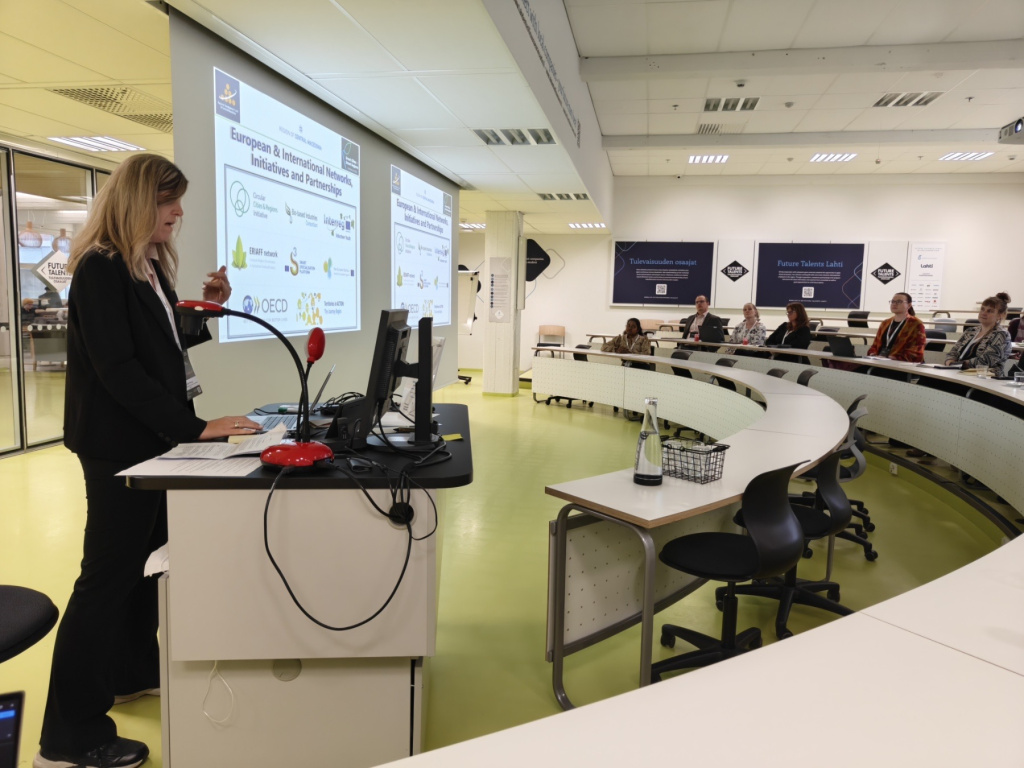
Το Περιφερειακό Ταμείο Ανάπτυξης Κεντρικής Μακεδονίας εκπροσώπησε στο συνέδριο η προϊσταμένη του Τμήματος Επιστημονικοτεχνικής Υποστήριξης και Υλοποίησης Προγραμμάτων Κυριακή Κισσά, η οποία συμμετείχε στη θεματική συνεδρία «Circular Material Technologies and Solutions (Governance)», παρουσιάζοντας τη μελέτη περίπτωσης με τίτλο «From Policy to Practice: Circular Economy Governance in Central Macedonia through OECD Mission».
Η εν λόγω παρουσίαση επικεντρώθηκε στην εμπειρία της Κεντρικής Μακεδονίας από τη μετάβαση των πολιτικών και επιμέρους πρωτοβουλιών για την κυκλική οικονομία προς ένα πιο ολοκληρωμένο μοντέλο περιφερειακής διακυβέρνησης, μέσα από τη συνεργασία με τον Οργανισμό Οικονομικής Συνεργασίας και Ανάπτυξης (ΟΟΣΑ/OECD) και τη συμμετοχή της Περιφέρειας Κεντρικής Μακεδονίας στην ευρωπαϊκή πρωτοβουλία για τις Κυκλικές Πόλεις και Περιφέρειες (Circular Cities and Regions Initiative – CCRI). Σε μια πρωτοβουλία στην οποία το Περιφερειακό Ταμείο Ανάπτυξης Κεντρικής Μακεδονίας συμμετέχει από τον Ιούλιο του 2022 ως εταίρος (CCRI Fellow) εκ μέρους της Περιφέρειας Κεντρικής Μακεδονίας, με την Κεντρική Μακεδονία να αποτελεί μελέτη περίπτωσης το 2024, στο πλαίσιο της συνεργασίας ΟΟΣΑ -CCRI.
Κατά τη διάρκεια της παρουσίασης της, η κ. Κισσά αναφέρθηκε στις βασικές προκλήσεις για τη μετάβαση προς την κυκλική οικονομία, όπως η ανάγκη για ενίσχυση του συντονισμού μεταξύ διαφορετικών επιπέδων διοίκησης, για διαμόρφωση μιας μακροπρόθεσμης περιφερειακής στρατηγικής, για ενίσχυση της θεσμικής ικανότητας και για βελτίωση της διαθεσιμότητας και αξιοποίησης δεδομένων. Παράλληλα, παρουσιάστηκαν οι προτεραιότητες που έχουν τεθεί για την Κεντρική Μακεδονία: η ενίσχυση του πολυεπίπεδου συντονισμού, η ανάπτυξη ενός μακροπρόθεσμου περιφερειακού οράματος για την κυκλική οικονομία, η καθιέρωση σταθερού διαλόγου με τους εμπλεκόμενους φορείς και η ενίσχυση των θεσμικών ικανοτήτων και των μηχανισμών παρακολούθησης.
Όπως επισημάνθηκε στο πλαίσιο της παρουσίασης, «η εμπειρία της Κεντρικής Μακεδονίας καταδεικνύει ότι η μετάβαση στην κυκλική οικονομία δεν εξαρτάται μόνο από την ανάπτυξη νέων τεχνικών λύσεων, αλλά και από την ύπαρξη των κατάλληλων μηχανισμών διακυβέρνησης που μπορούν να συνδέσουν φορείς, πολιτικές και δυνατότητες υλοποίησης και να μετατρέψουν τον διάλογο πολιτικής σε συλλογική δράση».
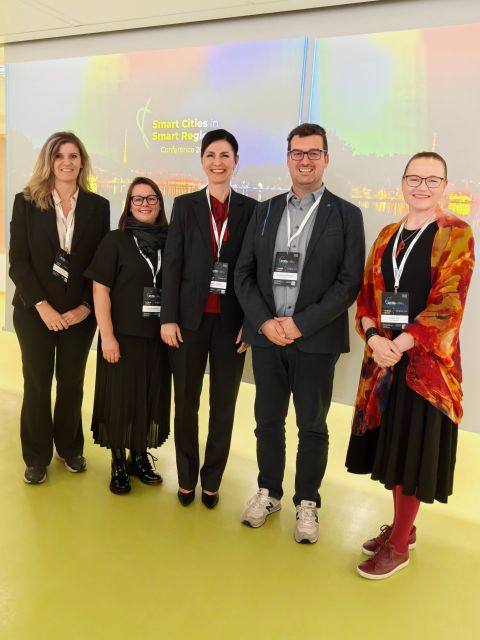
Η συμμετοχή των εκπροσώπων του Περιφερειακού Ταμείου Ανάπτυξης Κεντρικής Μακεδονίας στη διεθνή διοργάνωση «Smart Cities in Smart Regions 2026» αποτέλεσε μία ακόμη σημαντική ευκαιρία για δικτύωση και ανταλλαγή τεχνογνωσίας με ευρωπαϊκούς φορείς και εταίρους, επιβεβαιώνοντας τη σημασία των μακροχρόνιων ευρωπαϊκών συνεργασιών για την ανάπτυξη νέων ιδεών και πρωτοβουλιών στον τομέα της κυκλικής οικονομίας.
The Regional Development Fund of Central Macedonia at the International Conference “Smart Cities in Smart Regions 2026” in Finland
The Regional Development Fund of Central Macedonia participated in the international conference “Smart Cities in Smart Regions 2026”, held in Lahti, Finland.
This significant international conference, organised by LAB University of Applied Sciences in Finland, focused on European policies for the circular economy, sustainable development, and the transition towards smart European cities and regions through innovative initiatives and modern governance tools.
The Region of Central Macedonia and the Regional Development Fund of Central Macedonia continue to actively leverage their participation in European projects, networks, and international partnerships, aiming to facilitate knowledge transfer, exchange best practices, and strengthen the transition towards a sustainable and circular model of regional development.
The Regional Development Fund of Central Macedonia was represented at the conference by Kyriaki Kissa, Head of the Department of European Union Projects. Ms. Kissa participated in the thematic session “Circular Material Technologies and Solutions (Governance)”, presenting a case study entitled “From Policy to Practice: Circular Economy Governance in Central Macedonia through OECD Mission”.
The presentation focused on Central Macedonia’s experience in moving from individual policies and initiatives for the circular economy towards a more integrated model of regional governance, through cooperation with the Organisation for Economic Co-operation and Development (OECD) and the Region of Central Macedonia’s participation in the European Circular Cities and Regions Initiative (CCRI).
The Regional Development Fund of Central Macedonia has participated in this initiative since July 2022 as a CCRI Fellow, representing the Region of Central Macedonia. In 2024, Central Macedonia was selected as a case study within the framework of the OECD–CCRI collaboration.
During her presentation, Ms Kissa highlighted the key challenges associated with the transition towards a circular economy, including the need to strengthen coordination across different levels of government, develop a long-term regional strategy, enhance institutional capacity, and improve data availability and utilisation.
The priorities identified for Central Macedonia were also presented, including strengthening multi-level coordination, developing a long-term regional vision for the circular economy, establishing continuous dialogue with relevant stakeholders, and enhancing institutional capacities and monitoring mechanisms.
As highlighted during the presentation, “The experience of Central Macedonia demonstrates that the transition towards a circular economy depends not only on the development of new technical solutions, but also on the establishment of appropriate governance mechanisms capable of connecting stakeholders, policies, and implementation capacities, and transforming policy dialogue into collective action.”
The participation of representatives of the Regional Development Fund of Central Macedonia in the international conference “Smart Cities in Smart Regions 2026” provided another valuable opportunity for networking and exchanging expertise with European organisations and partners, reaffirming the importance of long-standing European partnerships in fostering new ideas and initiatives in the field of the circular economy.